
Capital works without disrupting the asset
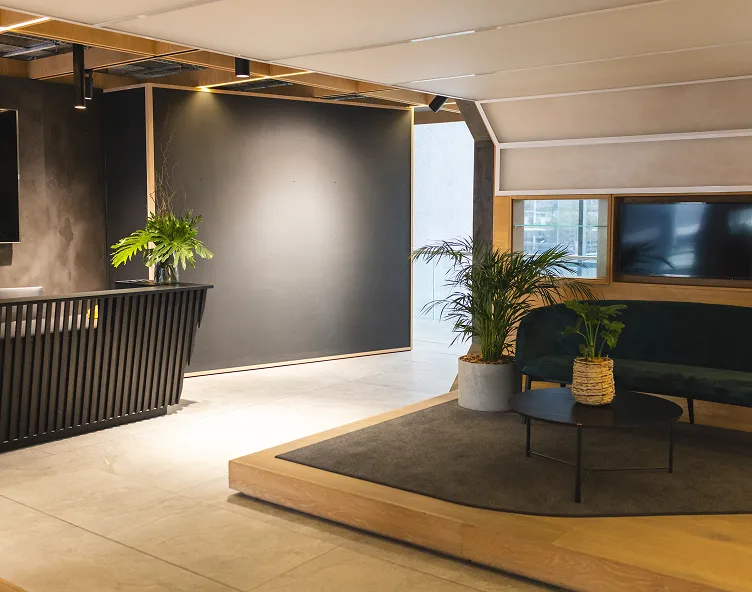
Lobby and amenity upgrades are among the most visible investments within a commercial building.
They influence:
- tenant perception
- leasing campaigns
- end-of-trip utilisation
- the overall positioning of the asset
However, they are almost always delivered within a fully operational environment.
The challenge is not simply construction. It is maintaining the day-to-day performance of the building while the upgrade is underway.
The success of a capital works project is measured as much by what continues to operate as by what is delivered.
Why these projects are different
Unlike vacant tenancy fitouts, upgrades to shared spaces affect every occupant in the building.
This introduces additional considerations:
- uninterrupted access for tenants and visitors
- protection of base building services
- maintaining fire and egress compliance at all times
- managing noise, dust and vibration in public areas
- preserving the building’s presentation throughout the works
The building must continue to function as a premium workplace while construction is in progress.
Staging within an operational environment
A successful delivery strategy is built around staging.
This may include:
- temporary access arrangements
- out-of-hours works to critical zones
- progressive handover of completed areas
- temporary amenities where required
Each stage must be carefully planned so that tenants experience a controlled transition rather than ongoing disruption.
In live assets, staging strategy is the primary driver of program.
Maintaining the tenant experience
Tenants form daily impressions of a building through its shared spaces.
Careful planning ensures that during construction:
- wayfinding remains clear
- security and access control operate as normal
- lift lobbies and key circulation paths remain functional
- the presentation of the asset is protected
Clear communication with tenants and building management creates confidence and reduces the perceived impact of the works.
The objective is to improve the building without interrupting the experience of occupying it.
Protecting building operations
Shared spaces are closely linked to base building services.
Works within these areas often interface with:
- mechanical and electrical infrastructure
- fire services
- hydraulic systems
- security and access control
Detailed planning and defined changeover methodologies ensure that these services remain fully operational throughout the project.
Program certainty in a constrained environment
The program for capital works in live buildings is driven by:
- operational constraints
- access windows
- authority requirements
- coordination with building management
This requires a higher level of detail and coordination than a conventional fitout.
In operational assets, program certainty is created through planning rather than acceleration.
Aligning the upgrade with leasing strategy
Lobby and amenity upgrades are often undertaken to support:
- a repositioning of the asset
- upcoming leasing campaigns
- rental growth
- tenant retention
This makes timing critical.
Early planning allows the upgraded spaces to be completed in alignment with leasing activity and market engagement.
The outcome
When delivered successfully:
Tenants continue to operate without disruption
The building’s presentation is progressively enhanced
Leasing campaigns are supported by visible improvement
The capital investment strengthens the asset’s market position
Most importantly, the works demonstrate active asset management without impacting income.
Well-planned upgrades enhance both the building and the tenant experience at the same time.
Starting early
The most effective time to plan shared space upgrades is alongside the asset’s broader capital works and leasing strategy.
This allows staging, program and communication to be aligned with operational and commercial priorities.
Discuss your asset
If you are considering a lobby, end-of-trip or shared amenity upgrade within an operational building, an early discussion can help establish a delivery strategy that protects both tenant experience and asset performance.
